
"coffee silverskin"
44 article(s) found

Coffee sun treatment-honey treatment coffee beans are washed in the sun
Coffee tanning treatment-Honey treated Coffee beans tanned Silver skin (SilverSkin/Chaff): there is a thinner film inside the parchment that wraps the coffee beans. Because the color is glossy and silvery, people used to call it silver skin. This layer of silver will fall off during baking. Usually when you grind the coffee, you find some silver crumbs in the coffee powder. These crumbs are just baking.

Manning coffee with unique flavor is recommended for coffee that is not sour and mellow.
Exchange of professional baristas please pay attention to the coffee workshop (Wechat official account cafe_style) Mantenin coffee beans Pawani Origin: Sumatra thick but not heavy taste and rich and rich flavor, reverberating with soft acidity, no passion only lingering, by many people as one of the most romantic coffee in the world. Pawani coffee beans are made with a rather unique semi-dry style.

How Coffee Cherry becomes Coffee Raw beans effect of Coffee Cherry on Coffee Flavor
How Coffee Cherry becomes Coffee Raw beans Coffee Cherry changes affect coffee flavor 1. Skin/Pulp: the outermost layer of coffee beans is covered with berry-like skin and pulp. In addition to the natural sun method, coffee beans treated by other methods must remove the skin and flesh within a few hours after picking. For coffee, the skin and pulp are important.

The taste of Indonesian Mantenin boutique coffee beans with aromas of flowers and spices
Some friends who opened a coffee shop a few years ago said that "golden manning" is an old manning. When it comes to Golden PWN, the acronym is often mixed with the name of Manning Coffee, which is actually a company's acronym Pwani Coffee Company. This company is a very famous coffee acquisition in Indonesia.

The whole process of coffee from germination to coffee
The first flowering period of coffee tree is about 3~4 years in the forest. The flowers are white, dense and cluster on the second branch of coffee tree. The petals are 5~6 petals. The fragrance is very strong. The fruit is a stone fruit with a diameter of 1.5 cm. It is green at first and turns red when it matures. With the seeds of cherry tree, the two coffee beans face each other with one side of their plane.

Pulp treatment refers to what honey treatment changes which step of the raw bean treatment method
Pulp treatment refers to what honey treatment changes which step of the raw bean treatment method 1. Skin/Pulp: the outermost layer of coffee beans is covered with berry-like skin and pulp. In addition to the natural sun method, coffee beans treated by other methods must remove the skin and flesh within a few hours after picking. For coffee, the skin and pulp are important.

The growth process of Coffee Tree introduction to the method of flavor description in planting environment and region
The growth process of the coffee tree is described by the flavor description of the planting environment and the region. The taste treatment method introduces that the immature coffee is actually green. After a mature period of 6 to 7 months, the mature skin is red, because its shape is similar to that of cherries. Therefore, foreigners call the mature coffee a cherry (Cherry). Under the bright red skin, it is an ugly skin.

Introduction to the growing process of Wild Coffee, Environment, planting and Manor producing areas
The growth process of wild coffee the environment of planting manors the drinking and cultivation of Yemeni coffee dates back to 1454. The government allowed drinking and growing coffee that year, because the government may find that the exciting function of coffee is more powerful than the hypnotic function of gat.
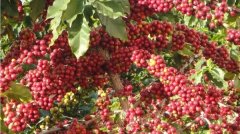
Coffee knowledge-- about the growth process of Coffee trees
The coffee tree is an evergreen tree with small white flowers and green flowers that turn red when it is mature. A normal coffee tree can usually grow to 5 to 10 meters high, but for the convenience of harvesting, bean farmers often prune it to less than 2 meters. After flowering, there are many dark green ellipses, and the mature ones change from dark green to bright red.

How many beans can a coffee tree produce?
How much coffee can a coffee tree produce? The first flowering period of coffee trees is about three years. The white flowers have five tubular flowers, and there is a faint jasmine fragrance. The inflorescences are dense and arranged in clusters. After two or three days of flowering, it will wither and begin to bear fruit after a few months. The fruit is a drupe, ca. 1.5 cm in diameter, initially green, then gradually yellow, mature

Popular Science time | Botanical knowledge of Coffee
Professional baristas Please follow the coffee workshop (official Wechat account cafe_style) to taste coffee with excellent flavor, ponder the issue of universal value, and then forget the original appearance that was given by God, which is precious and needs to be cherished. Coffee beans are not born this way, they are crystallized through a lot of hard work. 1. Scientific name: Coffee L. II. Family name: Rubiaceae. III.
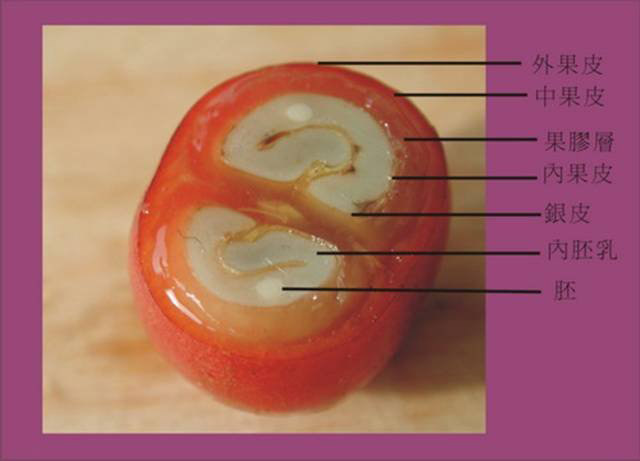
Coffee Botany-A detailed introduction of coffee fruits
Taste all the delicious coffee, think about the problems of universal value, and forget the original appearance that is precious and needs to be cherished. Coffee beans are not born this way, they are the result of a lot of hard work. 1. Academic name: Coffee L. 2. Family name: Rubiaceae. 3. Name: coffee shop (coffee) 4. Place of origin: coffee shop, tropical area (non-local)

Story of Santa Rosa Coffee Manor in Ecuador _ what are the best coffee farms in Ecuador
Professional coffee knowledge exchange more coffee bean information please follow the coffee workshop (Wechat official account cafe_style) the FINCA SANTA ROSA-GALO SEMBLANTES Semblantes Valdez family has visited Santa Rosa Manor, which has been visited by high-quality water, lush vegetation, beautiful scenery, green valleys between rivers and mountains, local climate and people in the area.
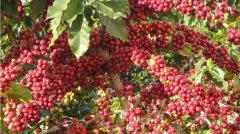
The process of the growth of coffee trees the process of roasting the fruits of coffee trees
The coffee tree is an evergreen tree with small white flowers and green flowers that turn red when it is mature. A normal coffee tree can usually grow to 5 to 10 meters high, but for the convenience of harvesting, bean farmers often prune it to less than 2 meters. After flowering, there are many dark green ellipses, and the mature ones change from dark green to bright red.

The whole process of coffee from picking to finished product-Yunnan coffee bean picking season
The whole process of coffee from picking to finished product-the Arabian coffee tree is usually a larger shrub during the Yunnan coffee picking season, with green, oval leaves and oval fruit, and generally has two flat seeds. If only one bean seed germinates, it's called pea-shaped coffee beans. The word Roberts comes from the most widely grown variety of Canifra coffee. Robbins is

What kind of coffee tree is the gift from God? how many kinds of coffee tree are there?
Tasting coffee with excellent flavor, thinking about the issue of universal values, but forgetting the original appearance that was given by God, precious and needs to be cherished. Coffee beans are not born this way, they are crystallized through a lot of hard work. 1. Scientific name: coffe l 2, family name: Rubiaceae 3, genus name: coffee genus 4, origin: tropical and subtropical regions (Africa) 5, morphological features: characters

Introduction to the planting techniques of how many coffee beans a year can be produced by a coffee tree
The word coffee comes from the Latin word for the genus coffea. This genus is a member of Rubiaceae. It has more than five hundred species and 6000 varieties, most of which are heat-stagnant trees and shrubs. Linnemas, a Swedish botanist in the 18th century, described this genus, but botanists disagreed on its precise classification. There may be at least 25 coffee genera.

Flavor description of coffee and bean honey treatment taste grinding scale variety production area
Coffee and bean honey treatment flavor description taste grinding scale variety production area 1. Skin/Pulp: the outermost layer of coffee beans is covered with berry-like skin and pulp. In addition to the natural sun method, coffee beans treated by other methods must remove the skin and flesh within a few hours after picking. For coffee, peel and pulp are important by-products. In some industries

Introduction of raw and ripe beans in the process of coffee bean germination, growth and baking
According to an Arab legend, around 1250, the exiled chief Omar discovered exuberant wild coffee berries. The hungry and tired sheikh boiled some of the fruit in water and drank the brewed coffee pulp. He liked the change in his diet very much and gave the drink to some people who had just recovered from a serious illness. Chief Omar.

Introduction to the steps of semi-washing suntan honey in the treatment of coffee and raw beans
The steps of semi-washed suntan honey for the treatment of raw coffee beans are both coffee-producing countries. South American countries must be the same in the coffee industry and follow the pace of Brazil, the coffee big brother. At the beginning of the birth of pulp solarization, its ideas and even specific operations have also circulated to other coffee-producing countries with exchanges, among which the interpretation of pulp solarization is the most unique and perfect.